

- Watch Knowledge
From 30M to 300M: Diving Into Watch Water Resistance Levels
14 Oct 2025

In the realm of haute horlogerie, water resistance is a critical signal of functional craftsmanship. A watch’s ability to resist water ingress speaks volumes about the integrity of its construction, from the tolerances of the case and crystal to the precision-engineered seals and gaskets that protect the movement within.
Water resistance is not merely a utilitarian function. In watchmaking, it is a testament to engineering excellence, material mastery, and the ability to accompany the modern globetrotter through every facet of their life.
Whether you’re traversing tropical waters or simply caught in an unexpected rainstorm, understanding water resistance ensures your timepiece remains uncompromised, both mechanically and aesthetically. This article plunges into the depths to explore this oft-misunderstood pillar of watchmaking mastery.
Understanding Watch Water Resistance Measurements.
Water resistance is typically measured in BAR, ATM, or metres, with the terms often used interchangeably. One atmosphere (atm) is equivalent to 1 bar of pressure, or approximately 10 metres of static water depth. However, these figures do not translate directly into real-world depth usage.
The rating signifies the pressure a watch can withstand under controlled laboratory conditions, typically a dry, static pressure chamber protected from environmental elements. Real-life variables such as water temperature, arm movement, sudden impacts, and dynamic pressure shifts significantly affect a watch’s tolerance.
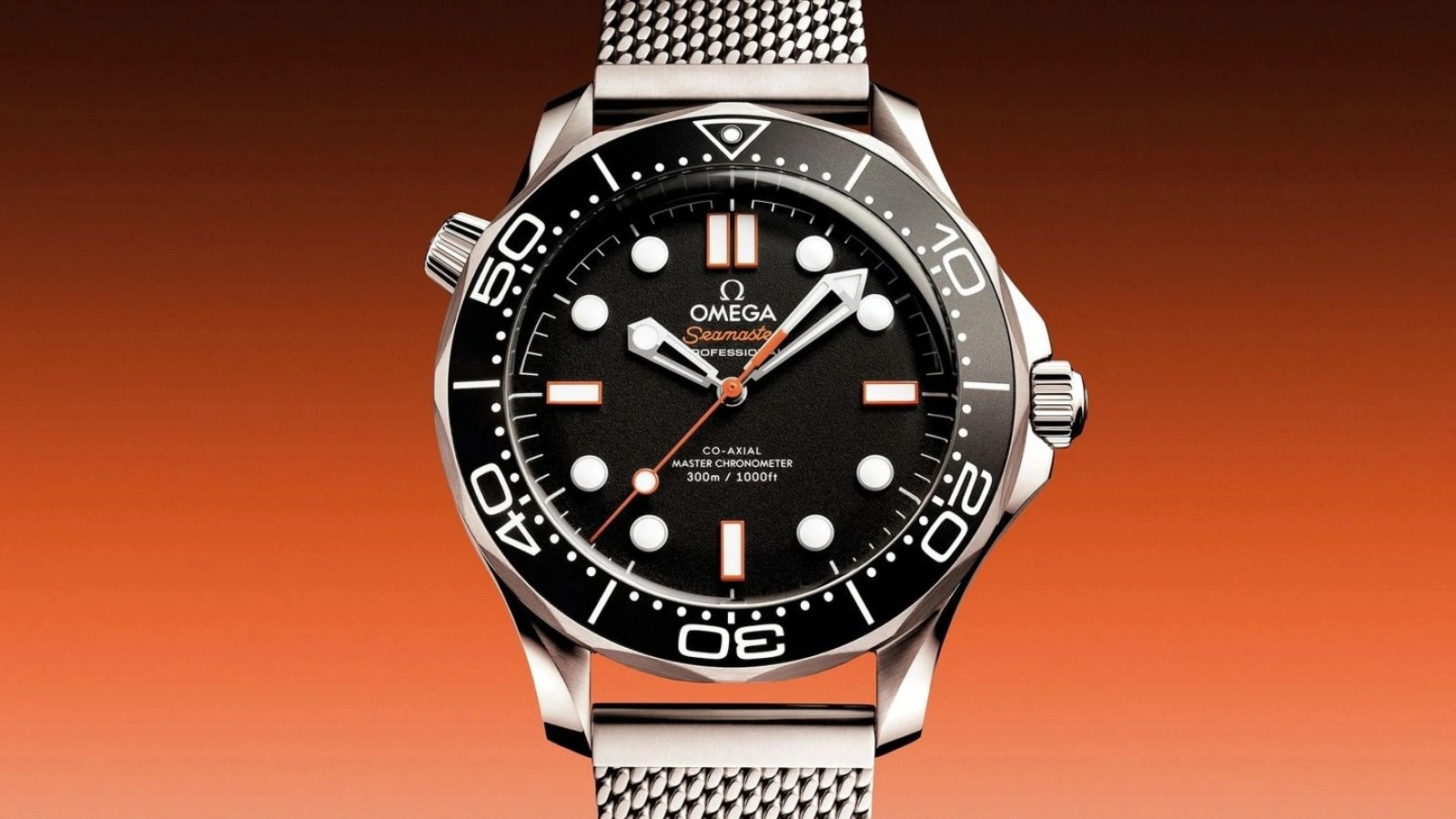
For instance, a watch rated at 5 ATM water resistance may endure a brief plunge into the pool, but vigorous swimming or water sports would subject it to forces far exceeding its tested limit.
Credit: OMEGA
Watch Water Resistance Levels Explained (BAR/ATM)
Not all water resistance ratings are created equal, nor are they intended for the same lifestyle. To select the right watch, it is essential to understand what each pressure level truly supports, ranging from light rain and surface splashes to professional dive environments.
3 BAR/3 ATM Water Resistance (30 metres)
This means the watch is engineered for incidental contact only. It is suitable for rain exposure or handwashing, but not intended for immersion.
5 BAR/5 ATM Water Resistance (50 metres)
A watch with this rating can tolerate light water exposure, such as splashes or brief contact during grooming routines, although immersion is not recommended.
10 BAR/10 ATM Water Resistance (100 metres)
These ratings indicate that surface-level aquatic activities including swimming, snorkelling, and yachting are acceptable. According to the international standard for diving watches, ISO 6425, a watch must be water-resistant to at least 10 bar. The Franck Muller Skafander is a good example of a luxury watch at this tier.
20 BAR/20 ATM Water Resistance (200 metres)
These timepieces are purpose-built for recreational scuba diving, underwater exploration, and high-speed water sports. To withstand the rigours of deep-sea diving, most professional divers’ watches are built to meet this standard of water resistance.
30 BAR/30 ATM Water Resistance (300 metres)
Luxury brands may offer specialised collections at this tier, with watches that boast structural integrity under significant underwater pressure and decompression stress.
50+ BAR/50+ ATM Water Resistance
At this level, the watch is designed for extreme-depth saturation diving and technical underwater missions, often equipped with helium escape valves and reinforced casings.
Considerations in Watch Water Resistance
True water resistance is not solely a product of sealing. It is the result of superior materials, case architecture, and decades of engineering refinement. Elements such as sapphire crystals, crown systems, and helium escape valves work in concert to protect high-value mechanical movements from water ingress.

Credit: TUDOR
Material Integrity
High-end manufacturers often employ similarly rare, robust materials such as 316L or 904L stainless steel, ceramic, grade 5 titanium, or even carbon composite cases, each selected for its corrosion resistance and structural strength under pressure. Paired with a “virtually scratch-proof” sapphire crystal, such as in the Cintrée Curvex Ryoko Kaneta Dragon Limited Edition, the ensemble provides a formidable barrier against water ingress.

Credit: OMEGA
Crown Design & Case Architecture
A watch’s most vulnerable entry point is its crown. Luxury dive watches feature screw-down crowns fitted with gaskets, designed to lock into the case and create a watertight seal. Some models also integrate screw-down chronograph pushers, further securing the case architecture.

Credit: OMEGA
Helium Escape Valves
During saturation diving, helium gas can accumulate inside the watch case during decompression. Automatic or manual helium escape valves allow safe venting, preventing the crystal from being forcibly ejected due to internal pressure differentials.
How to Test Watch Water Resistance
Water resistance is not static, no matter the watch, and must be maintained as gaskets and seals can deteriorate over time.
Professional Testing
Pressure testing, either dry or wet, is the only reliable method to assess water resistance. Authorised service centres use vacuum and overpressure tests to detect even minute breaches in the case or gaskets.
Maintenance Intervals
It is advisable to have your watch tested:
- Every 12–24 months
- After a significant impact
- Following exposure to high temperatures or chemical agents
- Prior to any planned aquatic expedition

Credit: Franck Muller
Dangers That Compromise Water Resistance
Even a professionally rated dive watch can be rendered vulnerable by misuse.
- Avoid hot showers and saunas: Rapid temperature fluctuations expand and contract seals, compromising the integrity of the gaskets.
- Refrain from operating crowns or pushers underwater: If you forget to screw down or push in the crown, water can enter.
- Beware of soaps, oils, and chemicals: These degrade rubber gaskets and seals over time.
- Keep vintage watches away from water: Despite their prestige, older watches often lack the modern sealing systems found in newer models. Unless restored and tested, they should be kept away from water entirely.

Credit: Bvlgari
Preserving Your Watch’s Water Resistance
- Rinse after saltwater use: Always wash with fresh water to remove corrosive elements.
- Dry thoroughly: Moisture trapped between the case and strap can degrade materials over time.
- Service routinely: Gaskets and seals should be replaced periodically, even if unused, rubber degrades naturally.
- Store with care: Keep your timepiece away from extreme temperatures and humidity when not in use.
Frequently Asked Questions about Watch Water Resistance
Can I swim with a 3 bar water resistance watch?
No. A 3 bar/ 3 atm water resistance rating is insufficient for submersion. It is intended only for incidental contact with water, such as handwashing or light rain.
What is a good water resistance for a watch?
For versatile everyday wear, 10 bar water resistance offers sufficient coverage for most water-based activities. If your pursuits include diving, sailing, or frequent exposure to marine environments, consider 20 bar or higher.
Are watches water resistant to 30m?
“Water resistant to 30m” is often misunderstood. In horology, 30m refers to 3 ATM (atmospheres) — a static pressure rating that simulates the force at 30 metres depth, but not actual underwater use. It does not mean the watch is suitable for swimming. In real conditions, movement and temperature shifts increase pressure significantly. As such, a 30m rating is only appropriate for light rain or handwashing, not immersion. For swimming or water sports, a minimum of 10 ATM (100m) is advised.
How can I tell if my watch is water-resistant?
Look for markings on the dial or caseback, typically noted in metres (e.g., 100m) or accompanied by the words “Water Resistant.” If your watch is marked “Diver’s” and rated from 200m onwards, it likely meets the ISO 6425 standard, indicating it has passed testing for underwater performance. If no marking is present, assume the watch is not water resistant.
Discover more brands with Cortina Watch online, visit us at our boutiques, or contact a sales representative today to learn more.
Related Insights
View All Insights-

- News
Franck Muller Celebrates The Art of Skeletonisation
22 Oct 2026
-

- Watch Knowledge
The Latest Aviation-Inspired Watches to Rule the Skies
09 Sep 2026
-

- Brand Spotlight
Why Watch Size Matters (But Not the Way You Think)
09 Sep 2026
-
- News
Streamliner Tourbillon Skeleton Ceramic Alpine Limited Edition: A New Chapter, A New Material
09 Sep 2026
-

- Watch Knowledge
Unveiling the Minute Repeater Watch
09 Sep 2026
-

- Brand Spotlight
Cartier’s Shift Towards Smaller Dials
08 Sep 2026