
- Watch Knowledge
An Overview of Automatic Watch Care
Written by: Justin Ng
25 Nov 2025

From cleaning to servicing, learn the essential tips to keep your automatic watches in top condition, always.
Your Guide to Automatic Watch Care

Sporty, refined and precise, the Grand Seiko Tentagraph SLGC007 features the in-house automatic Hi-Beat Caliber 9SC5 movement. (Credit: Grand Seiko)
The automatic watch is more than a work of art. Countless hours of craftsmanship are reflected by the beautiful, flawless finishing bedecking the timepiece. It is also an encapsulation of an epic saga woven in time: how watchmaking is a never-ending pursuit of perfection and how it remains beloved by generations past and present. To watch lovers, the inherent quality of automatic watches is both apparent and enigmatic. Perhaps therein lies their allure.
Like any mechanical article, automatic watches require a level of care and attention. Proper care is essential to safeguarding an automatic watch’s precision and reliability. In turn they reward you with longevity and consistency.
Here’s how you can go about keeping your automatic watches in tip-top condition.
How Often Do Automatic Watches Need to Be Serviced?
As a rule of thumb, it is recommended that an automatic watch be serviced by a trusted professional once every three to five years. A regular service entails the watch be taken apart where parts are carefully cleaned, lubricated and calibrated to ensure upon completion, the watch is as good as it can be. Simple procedures include fixing a creaking rotor or dislodging a stuck rotor, while comprehensive procedures include a complete overhaul or restoration. During this process, the watchmaker also rectifies any issue or defect that has been uncovered.

From personal consultation to professional servicing, the Cortina Watch boutique elevates the ownership experience.
Periodic servicing is necessary. The rotor, for example, is pivotal to replenishing the power reserve of an automatic watch via the kinetic energy generated by wrist movements. Without it oscillating flawlessly, the power reserve becomes lacklustre and the automatic watch becomes erratic. Furthermore, due to the constant movement, friction and exposure to elements such as heat and direct sunlight, mechanical components experience heightening wear and tear over time.
Understanding this concern, watch brands are pouring more resources into developing materials that can stand the test of time. Select brands offer extended warranty periods and recommend longer service intervals as a vote of confidence in their own products. To learn more about it, consult with our experienced advisers at Cortina Watch.
Signs Your Automatic Watch Needs Professional Servicing

The Villeret Quantième Perpétuel Phases De Lune embodies Blancpain’s watchmaking excellence. (Credit: Blancpain)
Inaccurate timekeeping
Automatic watches are known for their precision. A substantial number of timepieces carry the revered COSC Master Chronometer certification, which states that a certified automatic watch movement should operate no slower nor faster than -4/+6 seconds a day. Therefore, the clearest indication that an automatic watch needs servicing is that it runs much faster or slower than it should be.
Hazards such as strong magnetic fields can pose a threat to a movement’s balance wheel and hairspring, leading to inaccuracies. The affected watches therefore have to be demagnetised and recaliberated by professionals. Poor timekeeping can also be caused by increased friction between moving parts.
Reduced power reserve
Once fully wound, automatic watches store a set amount of power reserve assigned in a minimum number of hours or days. They are expected to work without intervention until their power reserves are exhausted. For example, a watch bearing 72 hours of power reserve should run normally for the next three days once it is fully wound. If the watch stops running prematurely, this is a sign that it needs servicing.
Unusual noise
Automatic watches are composed of many moving parts working in sync. By listening closely for any strange noise emitted when the rotor is oscillating or the hands are ticking, such as rattling or grinding, you can tell that the watch requires servicing.
Moisture under the crystal
All automatic watches irrespective of their functions and water resistance ratings shouldn’t be trapping moisture. If condensation appears on the underside of the sapphire crystal after the watch has been exposed to rain or submersion, you should send the watch for immediate servicing. Causes include faulty seals or gaskets, resulting in water seeping into the watch. If this issue is neglected and prolonged, trapped water can cause irreparable damage to the watch including corrosion.
Difficult to wind
In addition to automatic winding, most automatic watches permit hand-winding via the crown. If the crown feels stiff when turned, or the rotor squeaks or is unable to rotate smoothly, it is a sign that the watch needs lubricating.
Malfunctioning complications
Any function beyond the basic display of hours, minutes and seconds is known as complications. Thanks to an increased number of complications incorporated, some automatic watches are more complex than others as they house more components thus requiring greater care. Under unfortunate circumstances, these components can malfunction. For example, collectors may find the changing of dates on their watches no longer feels snappy or the chronograph hand doesn’t return to the starting position instantly after pressing the pusher. This is an indication that these watches need be sent for servicing.
How Long Will an Automatic Watch Last Without Winding?

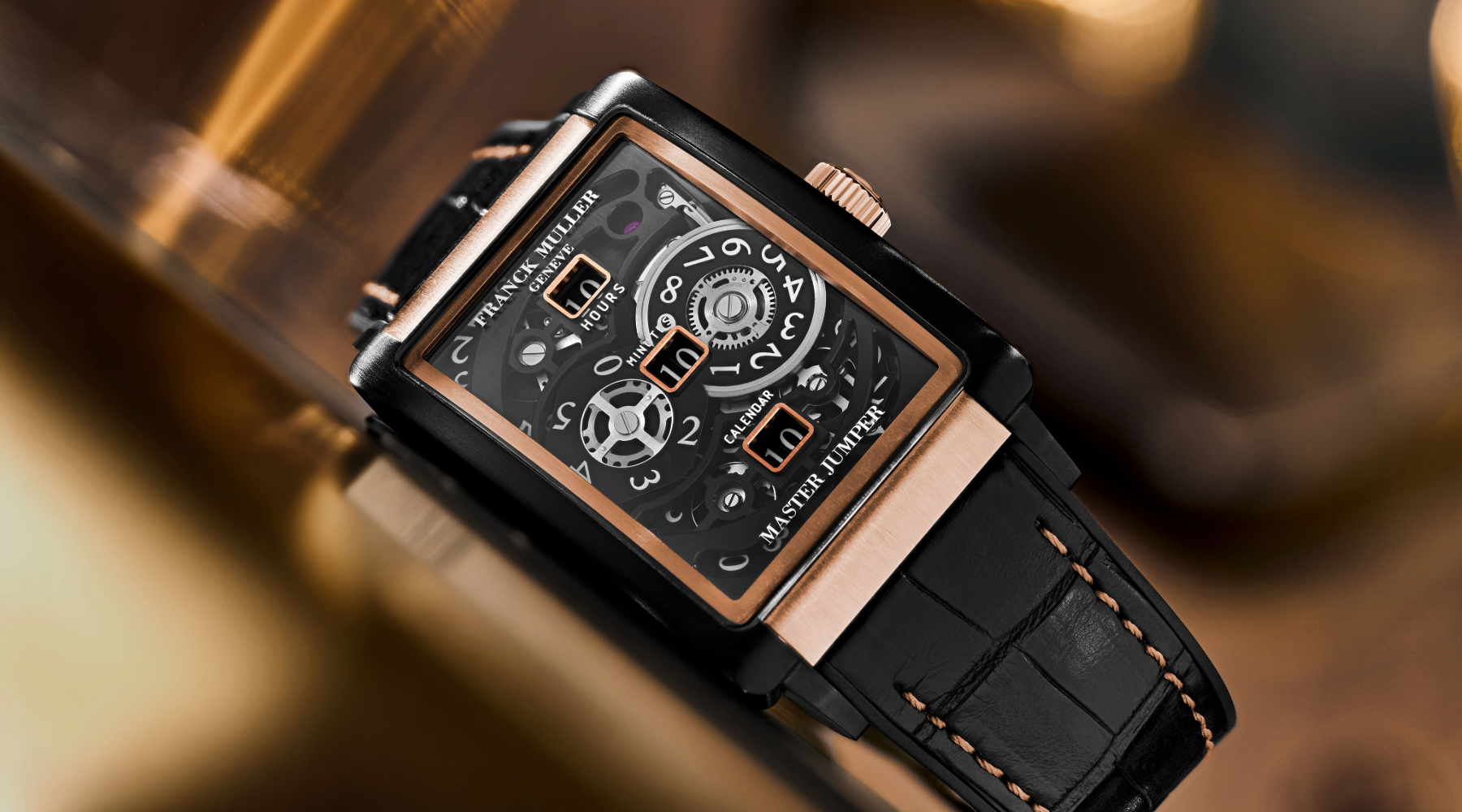
Franck Muller’s striking new Vanguard features a bidirectional automatic movement with 42 hours of power reserve. (Credit: Franck Muller)
Unlike a manual watch, which requires hand-winding by default, or a quartz watch, which depends on a battery, an automatic watch relies on the rotor to “refuel” its power reserve. The amount of power reserve available to an automatic watch varies among models. Watchmakers have their own considerations when it comes to deciding on the final power reserve number. It is a delicate balancing act.
A larger barrel can store a longer mainspring to increase the power reserve. However, it also requires more space to work with inside an already compact case. Furthermore, extra complications demand higher energy consumption, thus limiting the duration of the power reserve. Generally the minimum power reserve of an automatic watch is approximately 38 hours.
If an automatic watch remains idle after a full wind, it should be able to function normally until its stated power reserve is exhausted. To restart, the wearer can shake the watch repeatedly to activate the rotor and recharge the power reserve. Alternatively, the wearer can also manually recharge the power reserve by winding the crown. Upon restarting, the wearer has to reset the time, dates and other complications.
Daily Habits for Optimal Automatic Watch Care
Most if not all modern automatic watches allow manual or hand-winding. Similarly modern automatic movements have a built-in mechanism to prevent overwinding. Once the mainspring is fully wound, it will not benefit from additional input, nor will the power reserve be extended further than designed.
The easiest way to keep an automatic watch wound is to wear it frequently. Chances are, however, collectors have multiple automatic watches but would only wear one at a time. To prevent automatic watches that aren’t being worn from stopping altogether, it is advised that they are wound by hand from time to time. This is important for watches arrayed with a greater number of complications as resetting is time consuming.
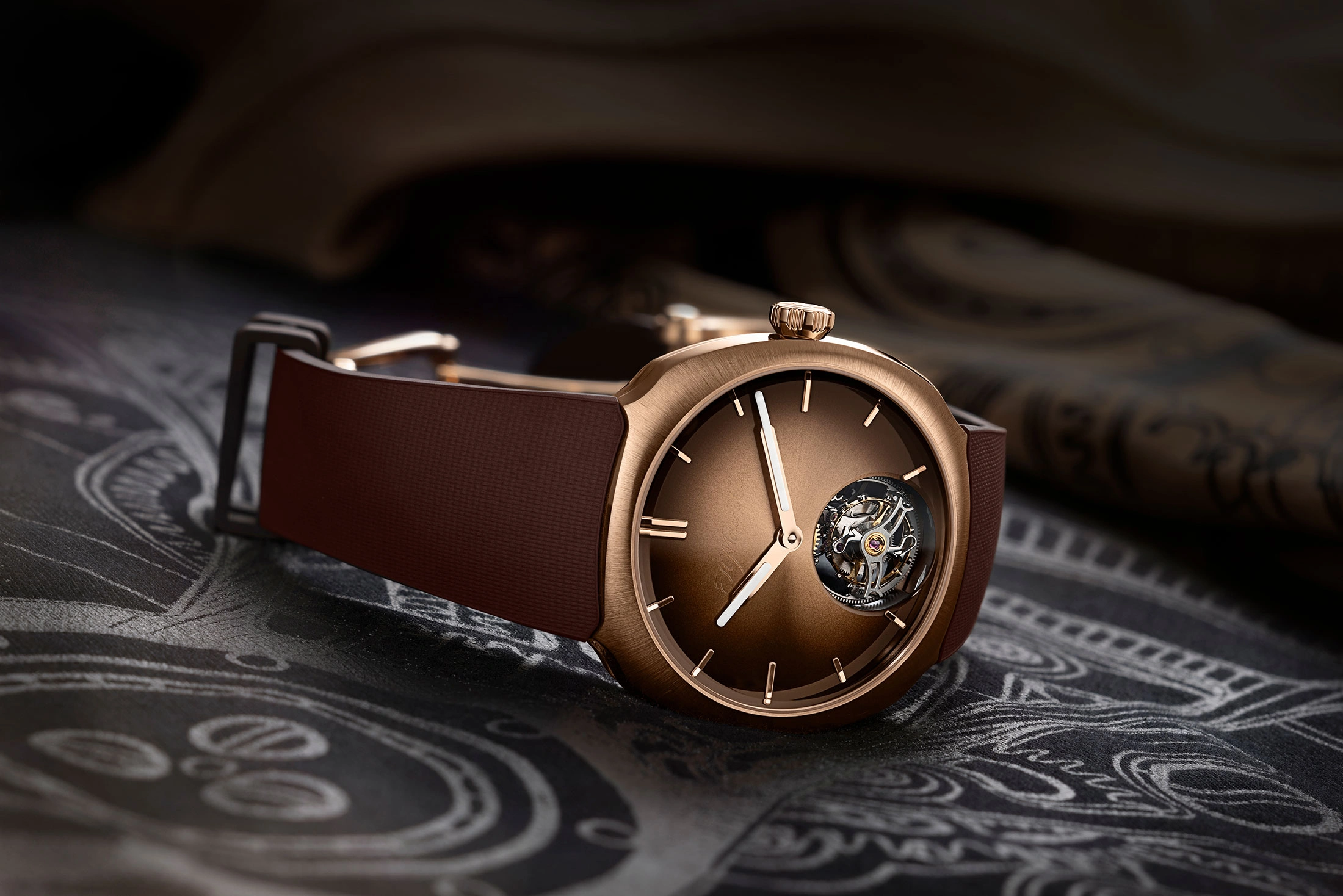
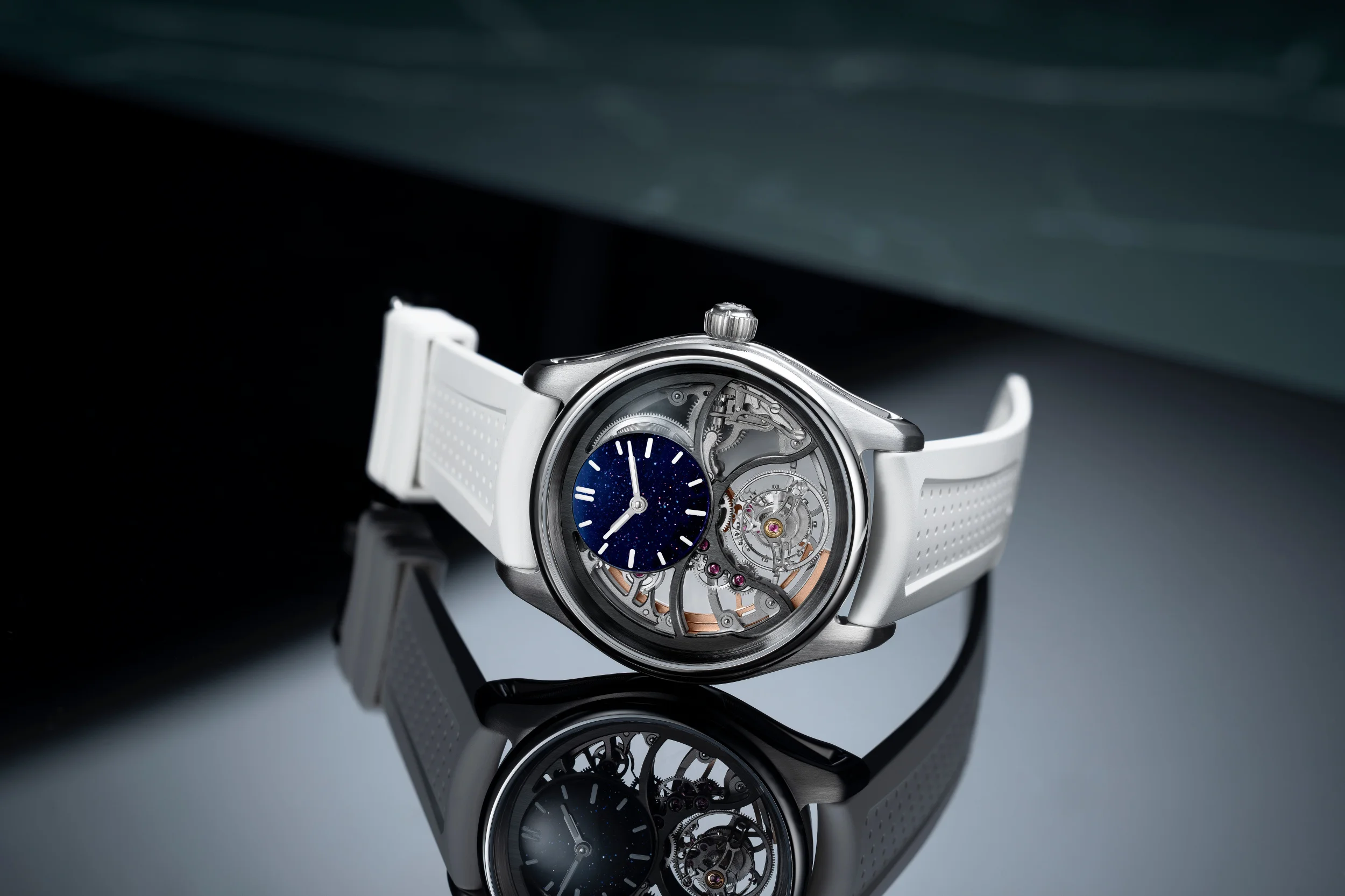
H. Moser & Cie. equips the Streamliner Tourbillon Pierre Gasly with a 72-hour power reserve automatic movement. (Credit: H. Moser & Cie.)
Alternatively a useful instrument like the watch winder can assume this responsibility. Top-of-the-range watch winders are stylish and feature exotic hardwood or piano-like lacquered finishing to accentuate the exclusivity of luxury automatic watches. Available from the size of a small box to a large cabinet with room to fit up to a dozen automatic watches, watch winders rotate the watches stored within on regular intervals to recharge their power reserves. This also ensures that the watches are up and running upon removal.
While professional servicing is essential to extending the longevity of automatic watches, a simple day-to-day routine can also help them stay well conditioned. This includes cleaning them with a soft, damped cloth in order to remove oiliness and other pollutants. When the watches are put away, ensure they are shielded from direct sunlight, extreme temperatures and magnetic fields, and stored in a cool, dry corner. Common household appliances known to generate magnetism include microwave ovens, refrigerators and hair dryers.
Investing in the Future of Your Timepiece
The precision and complexity of an automatic watch makes it an object of intrigue. Every component however small is guided by strict watchmaking principles and its exquisite finishing is a labour of love. Watches are more than tools and accessories, they are witnesses to life’s events, milestones and achievements. Indeed, they are a priceless investment.
A leading luxury watch retailer, Cortina Watch invites you to explore the world of horology. Let us take you on a journey of age-old craftsmanship and state-of-the-art watchmaking with our finest selection. Our service goes beyond the point of sales. We provide comprehensive after-sales support for all watches, from expert advice to service and repairs by qualified watchmakers, as we aim to accompany you every step of the way in your watch-collecting odyssey.
Discover more brands with Cortina Watch online, visit us at our boutiques, or contact a sales representative today to learn more.
Related Insights
View All Insights-

- Curated by Cortina
Design-Driven Timepieces: Watches That Double as Statement Jewellery
23 Oct 2026
-

- News
Franck Muller Celebrates The Art of Skeletonisation
22 Oct 2026
-

- News
Introducing the H. Moser & Cie. Pioneer Cylindrical Tourbillon Skeleton Aventurine: An Exclusive Creation by Saquon Barkley
20 Oct 2026
-

- News
Introducing Bell & Ross BR-03 Space Mission
19 Oct 2026
-

- Watch Knowledge
Moonphase Watches and the Art of Celestial Timekeeping
12 Oct 2026
-

- News
Bell & Ross BR-03 Green Radar Ceramic: The Iconic Radar Collection Returns for Its Fourth Iteration
08 Oct 2026