

- Watch Knowledge
Illuminating Time: What Is Watch Lume and Why It Matters
24 Jul 2025

Watch lume is one of the most practical and visually striking features in modern horology. Whether you’re diving deep underwater or checking the time in a dark cinema, lume ensures clarity at a glance — and says a lot about the quality of your watch.
Favoured by divers, military professionals, collectors, and everyday wearers, lume is especially prominent in sport and dive models. Beyond its function, it’s often seen as a benchmark of craftsmanship and performance.
Thanks to innovations like Super-LumiNova and Chromalight, today’s luminous materials are brighter, safer, and longer-lasting than ever. But how does watch lume actually work? How long does it glow, and what is it made of?
In this article, we’ll explore the meaning, science, longevity of watch luminescence, and why it remains a glowing symbol of great watchmaking.
What is Watch Lume and How Does it Work?
Watch lume refers to the glowing material applied to specific parts of a watch, such as the hour markers, hands, and bezels. Its purpose is straightforward: To enhance legibility in the dark. But beyond utility, lume has become a design signature — with brands distinguishing themselves through unique glow colours, patterns, and intensities.
Modern lume is typically made from photoluminescent pigments like Super-LumiNova or Chromalight, which are safe, non-radioactive compounds. Earlier watches, however, often relied on radioactive materials such as radium or tritium — substances now largely phased out due to health concerns.
How Does a Watch Lume Work?
At its core, lume functions by storing energy and releasing it as visible light. However, not all lume technologies are the same. There are two main types: Photoluminescence, commonly used today, and radioluminescence, found in vintage or military-issued models.

Credit: Bell & Ross
Photoluminescence in Modern Watches
Most of today’s watches rely on photoluminescent pigments, which absorb light — usually from the sun or artificial sources — and re-emit it in darkness. This process occurs as electrons in the pigment become energised and later release that energy as a glow while returning to their normal state.
After just a few minutes under bright light, a photoluminescent watch can emit a soft glow for several hours. The brightness and longevity depend on the material’s quality, thickness of application, and the intensity of the light exposure.
Materials like Super-LumiNova and Chromalight are not only effective but also non-toxic. Super-LumiNova, for instance, is made from strontium aluminate, a ceramic-based compound prized for its stability and brightness. These pigments are often applied in multiple layers to enhance intensity and retention.

Credit: Omega
Radioluminescence in Older Watches
Before photoluminescent technology took over, many watches used radioactive elements to achieve continuous glow. Radium, used in early 20th-century timepieces, produced a constant light due to its inherent radioactivity — but posed serious health risks.
Tritium later emerged as a safer alternative, emitting a milder, longer-lasting glow without the extreme hazards of radium. While still used sparingly today in certain military or tool watches, tritium is largely replaced by modern luminescent materials due to regulatory and safety concerns.
How Long Does Watch Luminescence Last?
The duration of a watch’s glow varies depending on the type of lume and how well it’s charged. In photoluminescent watches, you can expect the brightest glow for the first 15–30 minutes after charging. After that, the intensity gradually fades but may remain visible in darkness for up to 8 hours, particularly if high-grade materials and thick applications are used.
Tritium-based lume glows constantly for up to 25 years, as it doesn’t rely on charging. However, its brightness is generally weaker than photoluminescent alternatives at peak.
Ultimately, the glow duration depends on:
- The lume material (e.g., Super-LumiNova vs Chromalight)
- Application thickness
- Light exposure time and intensity
- Watch age and maintenance

Credit: OMEGA
Does Watch Lume Wear Out or Fade Over Time?
Yes, but how and when it fades depends on the material used. Photoluminescent lume, if properly cared for, can last decades without significant performance drop. However, with frequent exposure to moisture, dirt, or harsh cleaning chemicals, the pigment can deteriorate or lose its brightness.
Tritium tubes, often sealed in borosilicate glass, maintain glow independently but gradually dim over years due to radioactive decay. They usually require replacement after 10–25 years, depending on the half-life of the tritium used.
Vintage radium dials, now obsolete, not only faded over time but also posed health hazards. Collectors of such watches should handle them with care and consider professional restoration if needed.
To preserve the lume on your watch:
- Avoid prolonged exposure to extreme temperatures
- Keep it dry and clean
- Allow regular light exposure for photoluminescent watches
- Have older timepieces serviced by trusted professionals
Lume That Shines Beyond the Dial
Watch lume is more than a practical glow-in-the-dark feature — it’s a powerful expression of craftsmanship, innovation, and identity. From the reliable performance of Super-LumiNova to the nostalgic charm of vintage tritium, luminescence reveals a watch’s intent, heritage, and engineering prowess.
Whether you’re descending into ocean depths or simply checking the time after dark, lume enhances legibility while adding an emotional, almost magical dimension to the watch-wearing experience.

Credit: Bell & Ross
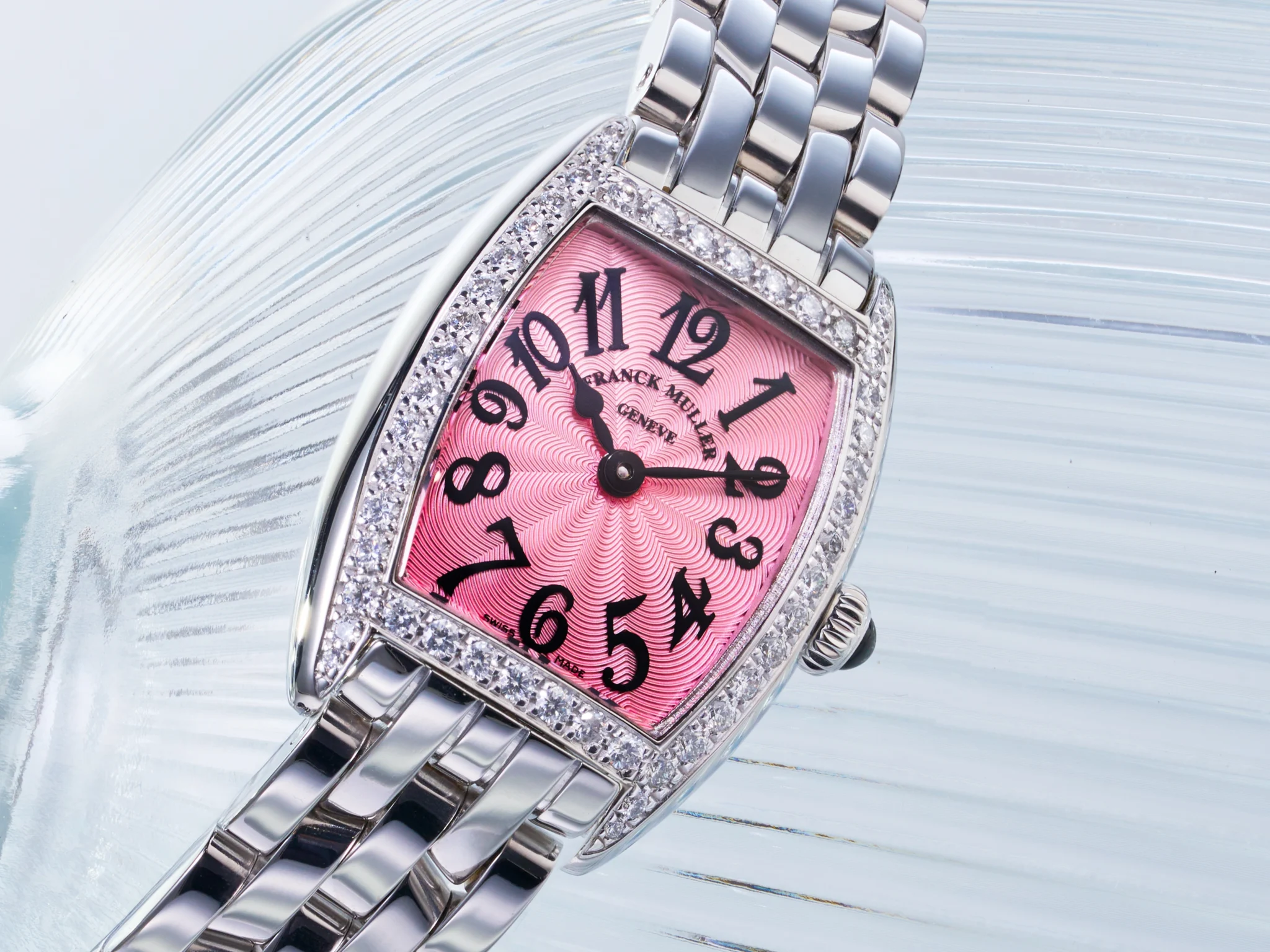
At Cortina Watch, you’ll find a curated selection of timepieces that showcase exceptional lume — both in function and design. Explore models like the Bell & Ross BR 03 Diver, built for underwater visibility in the harshest conditions the Franck Muller Vanguard, which blends bold aesthetics with luminescent detailing; and the Tudor Pelagos FXD, a professional-grade dive watch known for its standout glow in low light. Whether you’re drawn to utility or artistry, these watches illuminate more than just time — they light up your journey.
Related Insights
View All Insights-

- Watch Knowledge
The Latest Aviation-Inspired Watches to Rule the Skies
09 Sep 2026
-

- Brand Spotlight
Why Watch Size Matters (But Not the Way You Think)
09 Sep 2026
-
- News
Streamliner Tourbillon Skeleton Ceramic Alpine Limited Edition: A New Chapter, A New Material
09 Sep 2026
-

- Watch Knowledge
Unveiling the Minute Repeater Watch
09 Sep 2026
-

- Brand Spotlight
Cartier’s Shift Towards Smaller Dials
08 Sep 2026
-

- Cortina Curates
Cortina Curates Local: The Art of Stillness by Taiwanese Glass Artist Chen Chien-Chih
08 Sep 2026